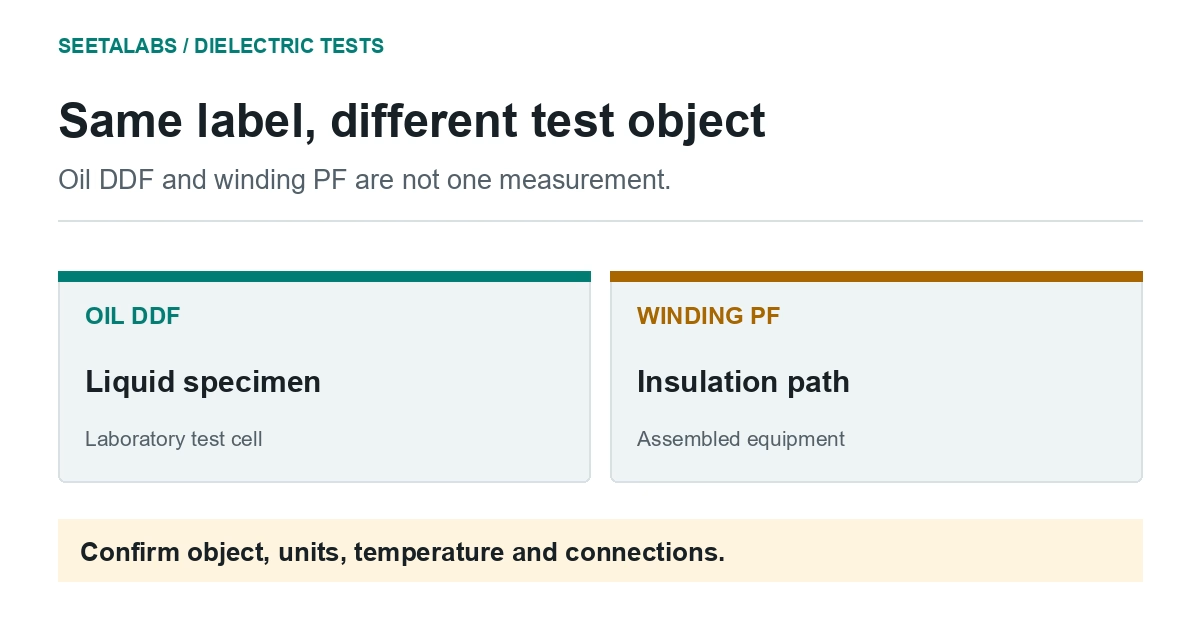

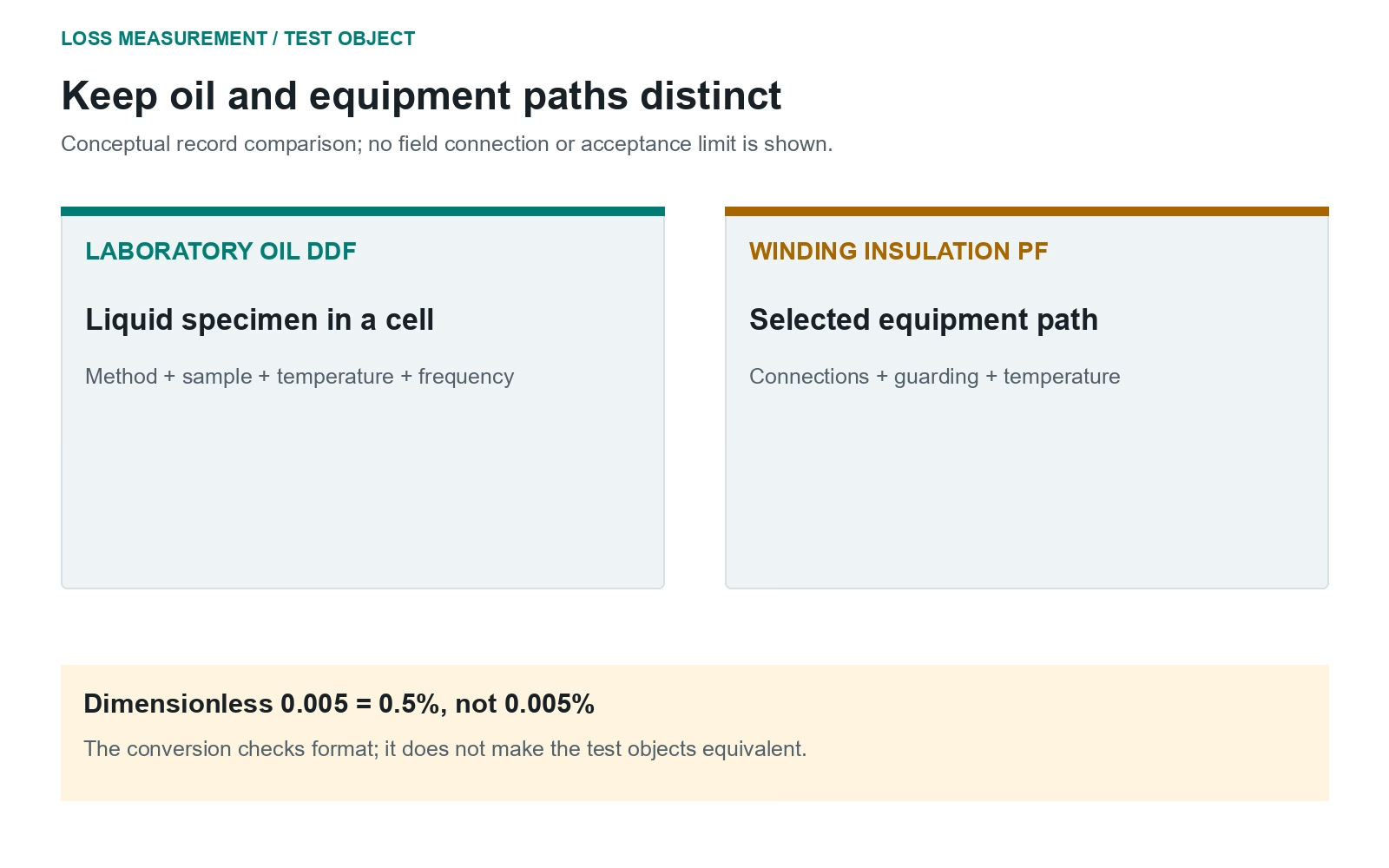
An oil report and an electrical-test report may both show a loss percentage. Oil dissipation factor concerns a liquid specimen; winding power factor concerns a selected insulation path in the assembled transformer.
A satisfactory oil result cannot invalidate a changed winding result. Identify object, temperature, frequency and connections before calling the reports contradictory.
Label the Quantity and the Test Object
Dielectric dissipation factor (DDF, tan delta) relates dielectric loss to the capacitive component. Insulation power factor relates real to apparent power. They are close at low losses, not mathematically identical.
Neither is the operating power factor of the load.
IEC 60247:2004 covers liquid dissipation factor and resistivity measurements; only its published scope was checked. IEC 60422:2024, Clause 7.7, discusses polar contamination and ageing products in mineral oil.
A winding test includes the connected equipment and dielectrics in its selected path, not just oil. Megger's transformer and bushing example illustrates why path and component identity matter; its case-specific criteria are not adopted here.
Four Records That Should Stay Separate
This original report-reading table is not an acceptance table.
| Test record | Object being assessed | Context required | Invalid shortcut |
|---|---|---|---|
| Laboratory oil DDF | Liquid sample in a cell | Method, temperature, frequency, sample integrity | Applying a winding limit |
| Winding insulation PF or DF | Selected equipment insulation path | Connections, guarding, temperature and frequency | Calling it an oil-only measurement |
| Bushing PF or DF | Identified bushing insulation section | Bushing identity and test configuration | Merging it into a winding trend |
| Frequency-dependent dielectric test | Response over multiple frequencies | Test model, temperatures and measurement quality | Treating it as one line-frequency number |
Format matters: dimensionless 0.005 equals 0.5%, not 0.005%. The latter import error is a factor of 100.
Keep the raw value, test temperature, corrected value and correction method separate.
Retain these distinctions in condition monitoring across contractors.
The Oil Report Is Clear; the Winding Result Has Changed
Hypothetical: oil quality meets agreed criteria, while an outage test shows changed winding-to-ground PF against a comparable earlier test.
Do not average them. Check electrical connections, guarding, temperature correction, included components and capacitance. Ask whether surface contamination or configuration changed.
Separately, confirm the oil's compartment and test temperature. Its result remains valid for that sample.
If both measurements are valid, a specialist selects the next investigation. Different insulation aspects can yield different findings; this is not an operate-or-remove instruction.
Fields to Request from Each Contractor
Request object, path, method, edition, frequency, voltage where relevant, temperature, raw value, unit format, correction and qualifiers. Keep oil sample and electrical-job identifiers distinct but linked to asset and date.
For a field labelled only PF, ask what quantity and object it represents. Missing or below-limit is not zero loss.
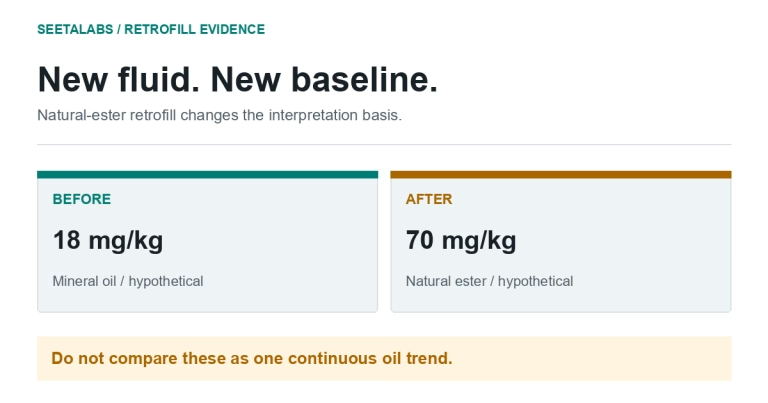
An ester measurement does not inherit mineral-oil limits. Equipment criteria and applicable instructions still matter.
Label the test object on every loss result before comparing reports.
Sources and Scope
IEC 60247:2004, edition 3.0, published scope verified. IEC 60422:2024, clause 7.7, printed p. 21, checked in the licensed text. Megger technical example linked above supports separation of insulation paths, not universal limits. Evidence checked 25 September 2026.