
A furnace transformer, a grid asset and a generator step-up unit do not have the same duty or consequences of failure. Ronin AI connects diagnostic evidence, uncertainty and trends with a reviewable Action Plan for the people responsible for these assets.
New release in preparationThe new release is in final preparation. Methods must match the fluid, equipment and evidence.
Transformer duty, insulating fluid and sampling history affect how results should be read. Useful diagnosis starts by keeping that context with the evidence.





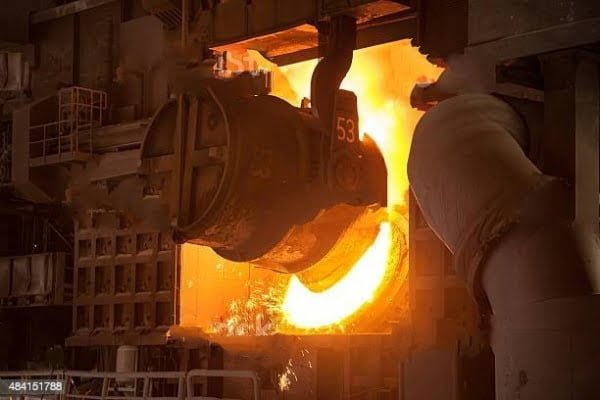
Steel, paper, cement and process plants run furnace and substation transformers hard, and they age unevenly. The cost of a failure is not the transformer, it is the halted line behind it. Yet fleets are still managed on age: "old" is not the same as "at risk", and a mixed population with one budget rarely gets ranked by what actually threatens the next run.
An unplanned outage runs $30k to $50k an hour, and a furnace transformer failure can idle a whole line for weeks.
Budgets follow the oldest nameplate, not the unit whose gases are actually climbing. The wrong transformer gets the attention.
Reading DGA correctly takes an expert most plants no longer keep on site, so lab reports stall in a folder.
The lab results you already have become a health index per asset, so you know which transformer threatens the next production run, not which is oldest.
Reliability spend moves to the units that carry real risk, so testing and replacement budgets stop chasing age.
Review changes across testing dates, with sampling context and applicable trend criteria. A changing pattern can justify investigation; it cannot guarantee warning before every failure.
Plain band and recommended action tied to CIGRE TB 761, with the standard clause and Duval interpretation one click away.
The challenge: a steel group running electric arc furnaces (over 1.1 million tonnes a year, billets and bars) needed to know where the reliability budget should go across a large, mixed transformer fleet.
Testing went where it mattered and planned outages fell, because the fleet was ranked by real condition, not by age.
An erroneous lab result and a quiet single DGA snapshot said the unit was fine. The plant's real question was blunt: how many more heats before we have to pull it? RONIN reconstructed the health-index trend across testing dates and caught the drop that one clean sample had hidden, turning a sudden stop into a planned one.
Sudden failure avoided · planned intervention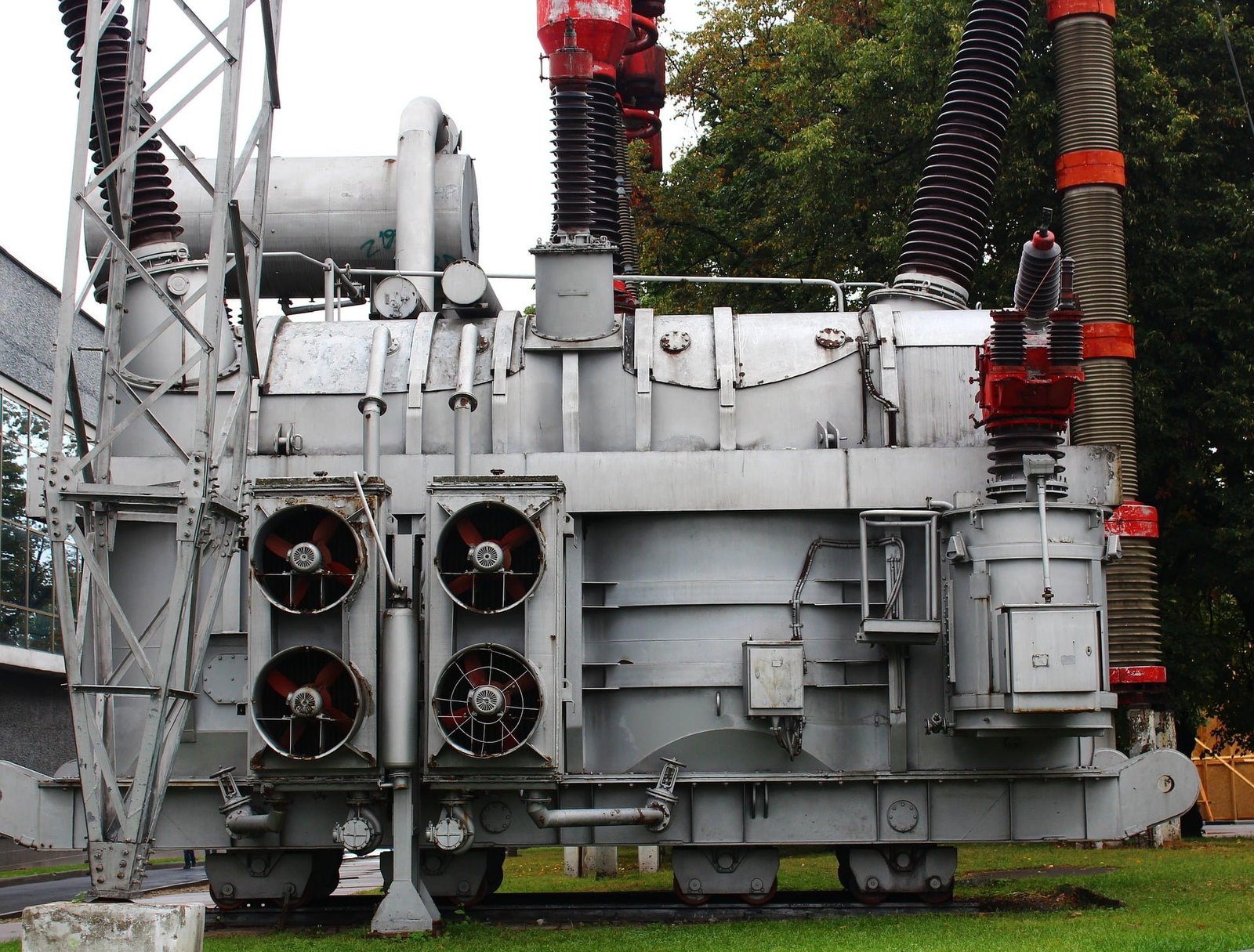
Utilities need to review condition across assets with different duties, network roles and replacement constraints. Ronin AI connects diagnostic findings and trends to an Action Plan; the owner supplies criticality and operating context rather than treating a health index as a failure probability.
Too many assets and too few specialists mean fleets are managed on assumptions, with diagnostic reports stalling in spreadsheets.
An unplanned failure means millions in loss and a multi-year wait for a new unit, so surprises are the most expensive outcome.
Field observations and lab data live apart, and there is no shared method to turn them into a ranked, defensible worklist.
From the DGA and oil data you already collect, worst-first, so the budget conversation starts with the right asset.
Use historical evidence to investigate deterioration and assess whether planned intervention is justified. Timing and operating decisions remain subject to engineering review.
An Action Plan links findings with proposed follow-up, references and cost assumptions, for review by the responsible engineering and asset-management teams.
Nothing to install on energised assets across a wide grid. A guided template in, a ranked fleet out.
The challenge: a generation utility with an ageing generator step-up fleet could not tell which units actually carried the risk, and kept spending on the wrong ones.
A four-year health-index trend flagged the risk in time for a one-week planned outage, instead of an unplanned failure and a two-year replacement lead time.
A generator step-up transformer at a paper mill (90 / 120 / 150 MVA) had been carrying a recurring ethylene signal for roughly five years, each isolated sample explained away as within range. The health-index trend surfaced what no single reading had: a slow, consistent decline. The unit was scheduled for planned decommissioning, and a catastrophic failure was avoided.
~5-year hidden problem caught · catastrophic failure avoided
Warranty exposure and reputation ride on transformers you no longer see. A test-bay DGA is a snapshot, not a trajectory, and when a customer asks "is this reading normal?" you need a defensible, standards-based answer, not an ad-hoc opinion.
Once a unit leaves the factory, its condition history scatters across the customer's labs and spreadsheets.
A field failure is a claim and a headline, and you often learn of it only after the fact.
Every site interprets DGA differently, so "normal" means something different from one customer to the next.
Attach a standards-based baseline to a unit at handover, and re-run it from field lab data over its life.
A CIGRE TB 761 result with its Duval interpretation, the same method everywhere, instead of site-by-site opinion.
Compare a batch across sites from the data your customers already gather, and see a design's behaviour in the field.
Offer condition assessment as a service on top of the units you already sell, software only.
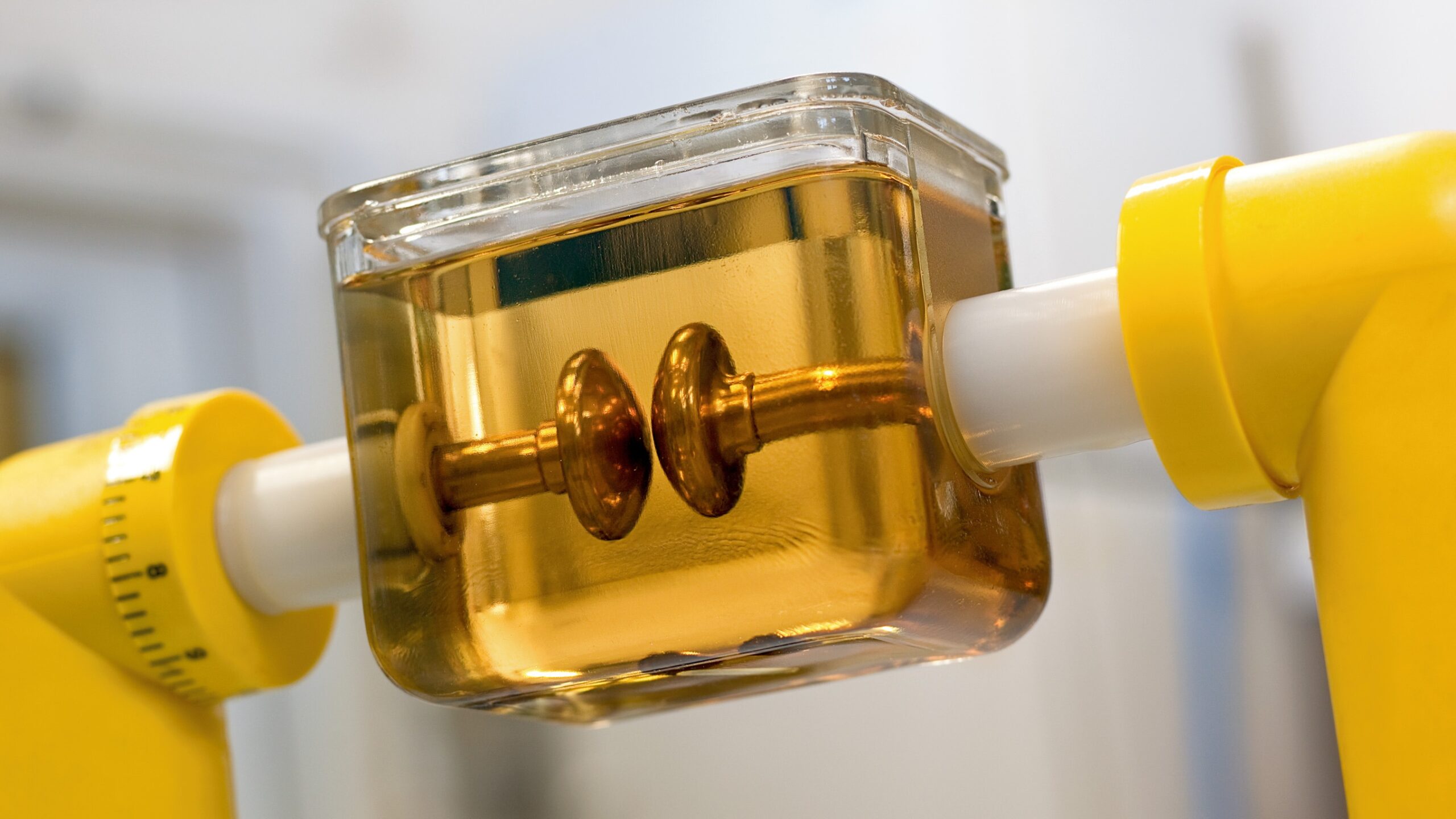
Chemical and electrical results are your product, but the client receives a table, not a verdict. Interpretation is the value they actually want and the bottleneck you carry, and turning DGA, oil and electrical data into a prioritised answer takes a specialist's time you cannot scale.
The client pays for numbers but is really asking "so what do I do?", and that gap is yours to fill.
Every report that needs a specialist's read is a person-hour you cannot add to indefinitely.
Chemical results, oil quality and electrical tests arrive apart, so a whole-asset view takes manual stitching.
The chemical and electrical results you already produce become a health index and a fleet ordered by condition, in seconds.
Hand clients a CIGRE TB 761 interpretation alongside the data, so the report answers the question they asked.
Results flow in through a guided template, so the interpretation layer does not add lab overhead.
Add interpretation as a white-label service on top of the testing you already sell.
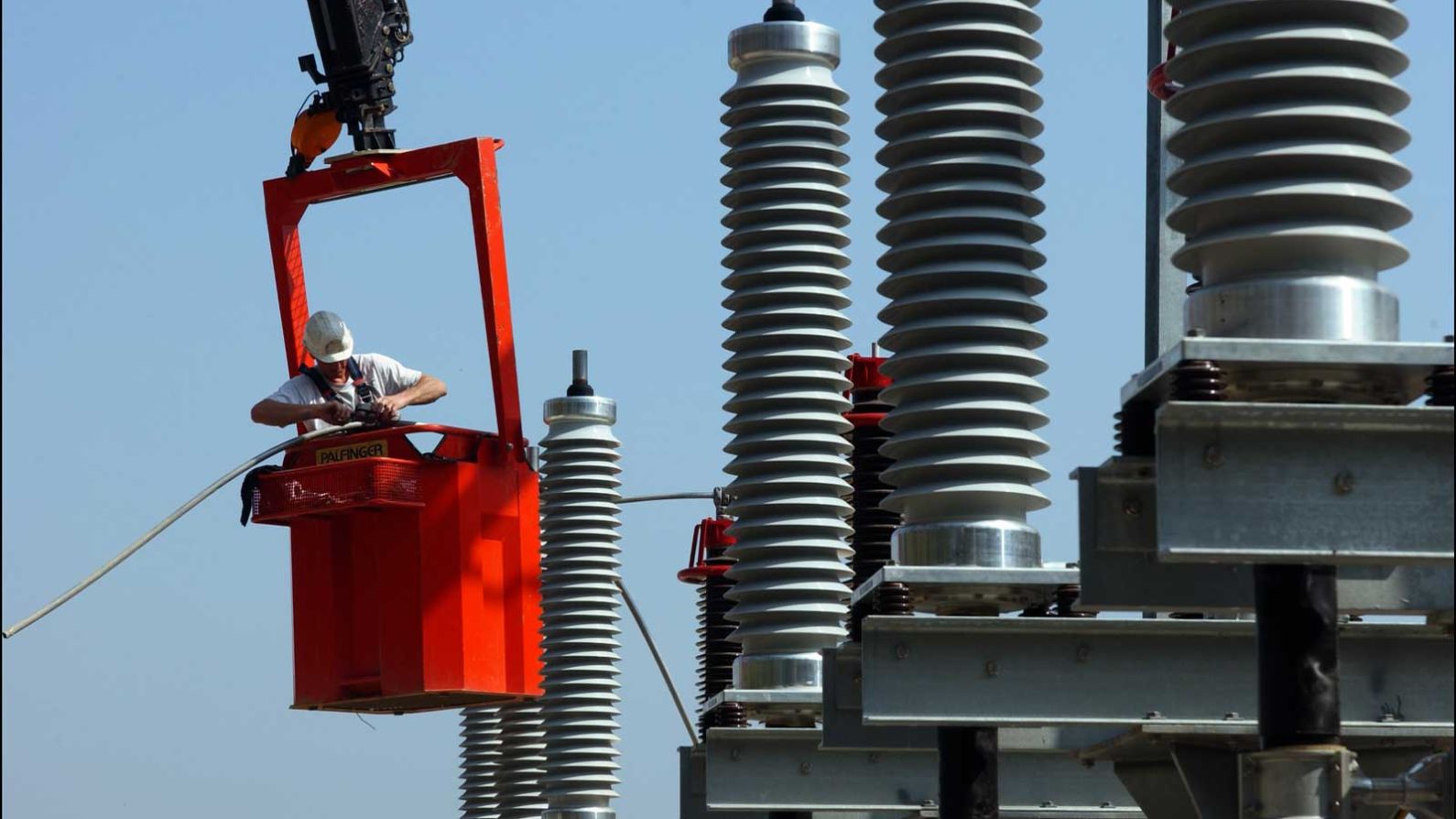
Interventions get scheduled around calendars and manufacturer intervals, not actual condition. When a customer asks which unit to touch first, the honest answer is often a guess, and a missed early signal turns into an emergency callout and a blown SLA.
You visit on a schedule set by the interval, not by the asset that is actually degrading fastest.
Asked which unit to fix first across a customer's fleet, you are often reading tea leaves, not a ranked list.
A missed early signal becomes an out-of-hours callout, a penalty, and a customer who now doubts the contract.
From the lab data they already have, so every visit starts with the unit that needs it most.
Schedule interventions where the health index says risk is real, and defend the plan with a standard method.
Trend analysis flags degradation before the next scheduled visit, turning emergencies back into planned work.
Offer a data-driven inspection tier under your own brand, no hardware to stock and no IT rollout at the customer.
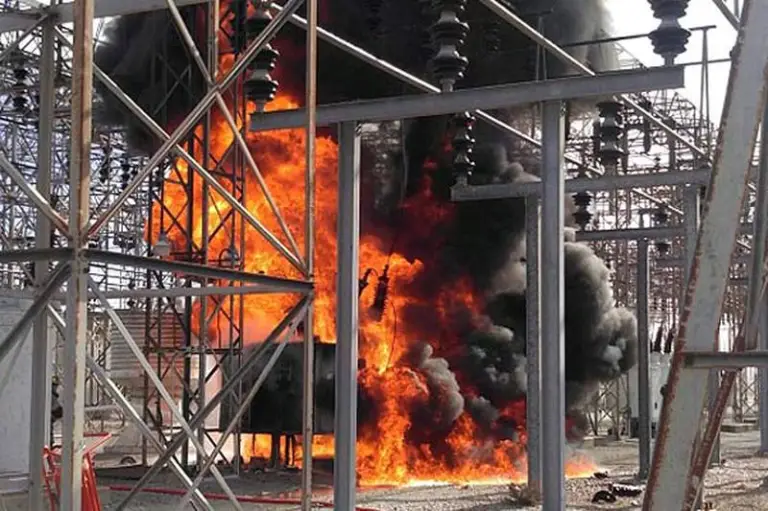
Underwriting leans on age and nameplate, weak proxies for real condition, and you cannot send a specialist to every insured asset. Loss prevention needs a defensible, standardised condition signal that works across a whole portfolio from the data operators already collect.
Pricing on nameplate and year misses the genuinely at-risk units and overcharges the merely old ones.
You cannot inspect a whole insured fleet in person, so condition is largely invisible at renewal.
Loss prevention and disputes turn on whether a risk was rising, or was managed down, and that record is hard to assemble.
A standards-based health index across an insured fleet from existing DGA and oil data, no inspection needed.
Separate genuinely at-risk assets from merely old ones for underwriting and loss prevention.
A consistent CIGRE TB 761 methodology, so risk is comparable from one insured operator to the next.
A trend that shows a risk rising, or being managed down, as a defensible record at renewal or in a dispute.
If you already run oil treatment, testing or field service, RONIN becomes a diagnostic service you sell to your own clients. You bring the samples and the relationship; RONIN turns the data into a health index and a ranked fleet your customer can act on. A software add-on, no hardware to stock.
Whatever your sector, two people open the report. RONIN speaks to both. You do not need to be a DGA expert to know which transformer is at risk.
A plain, ranked view of the whole fleet, a defensible CIGRE TB 761 number for finance, and the risk framed against the cost of a single unplanned outage. The budget conversation starts with the right asset, not the oldest one.
One colour, one band, one recommended action per asset, with the sub-scores, Duval interpretation and standard clause one click away for the engineer who wants to check the work. Simple on top, deep on click.
These bands describe the mineral-oil model index, rounded for display. Deterministic ester assessments use the producing engine's condition class and scale. Interpret either result alongside the diagnostic evidence and operating context.
Mines run transformers harder than almost anyone: mill drives (SAG and ball), hoisting, crushers, conveyors, ventilation and pumps, fed through VFDs and converters, under heavy cyclic duty and harmonics, in dust, vibration and remote sites. To hold production, a unit is often pushed above nameplate. When it trips, the whole line stops, and opening or decommissioning the transformer blind is slow and expensive.
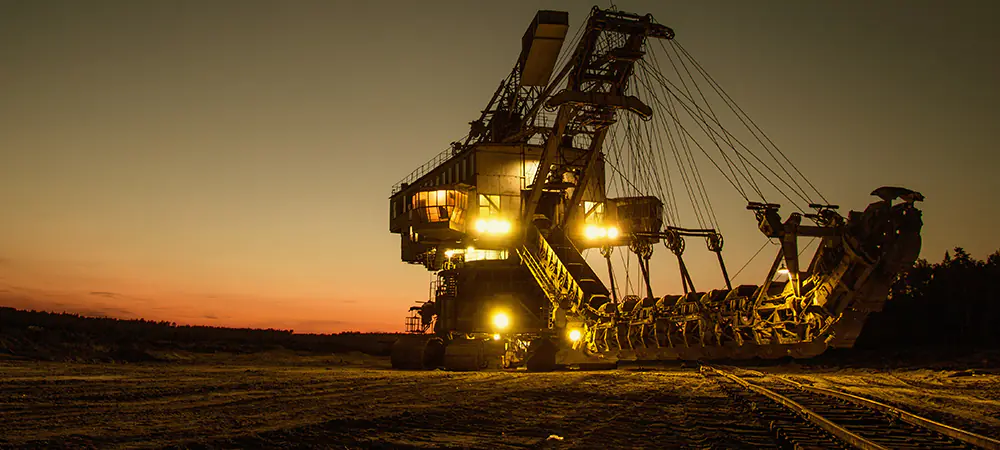
Extra cooling lets a 75 MVA unit pull closer to 90. It works, until the hot-spot and the paper insulation pay for it.
A mill or hoist transformer down can idle extraction and processing for days. The transformer is not the bill, the stopped mine is.
Exploratory untanking, inspection or decommissioning without knowing where to look burns cost and time, often for nothing.
Reading DGA correctly on a remote mine, with harmonics muddying the picture, is not something most sites keep an expert for.
The DGA and oil results already on file become a health index and a Duval reading, so a sustained-overload hot-spot is localised without opening anything.
Instead of exploratory untanking or a blind decommission, a specific maintenance step, so budget goes where the fault actually is.
Compare thermal-gas patterns with loading, cooling and maintenance history. A trend supports investigation but does not predict the date of a trip.
Provide remote teams with the evidence, applicable methods and questions to escalate to a qualified diagnostic engineer. A software output does not replace specialist review.
The challenge: a mine kept a 75 MVA transformer above its nameplate rating, uprated cooling to pull close to 90 MVA, to keep a mill drive under heavy cyclic load. It tripped. The options on the table were exploratory tank opening or a blind decommission, both slow and expensive.
RONIN read the DGA and oil results they already had, localised the trip to a sustained-overload thermal hot-spot, and turned it into a targeted maintenance action. No tank opened in the dark, no cost spent guessing.
Discuss your transformer data and assessment workflow with us. Ronin AI is in final release preparation; existing customers can continue using their current application access.
Service company, OEM or laboratory? Discuss your assessment workflow and Ronin AI requirements.
Quick answers about the site. For a technical assessment, contact Seetalabs.
