
RONIN by Seetalabs
Two years for a new transformer. The warning is already in your oil report
Average lead time for a large power transformer: 128 weeks. Wood Mackenzie, Q2 2025
RONIN reads the lab reports you already receive and returns a decision you can check, with the standard, edition and clause behind it.
1 Lab reports, each written its own way
2 One row, one unit per value
17 values read · 1 doubt for you: tan δ given in % · 1 missing: 2-FAL
3 Read against the standard, method by method
- Duval Triangle 1: T3, thermal fault above 700 °C. IEEE C57.104-2019, Table 6. Triangle 5 and Pentagons 1 and 2 agree.
- DGA Status 3 from C2H4 and its rise since 10 Dec 2025. IEEE C57.104-2019, Tables 2 and 3.
- IEC 60599 ratios: not dependable. C2H2 at 2 ppm is below the 5 ppm floor. CIGRE TB 771, §2.2.
4 Its place in the fleet, and by when
Lowest index first, seven field cases, rated MVA after the tagGSU4: act within 30 days
Trusted by






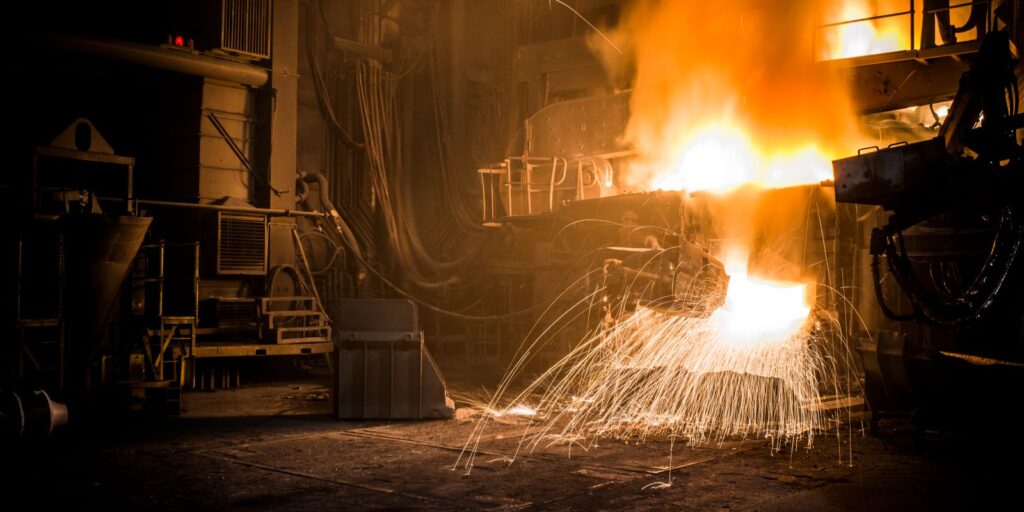
Case file: steel plant, furnace transformers
Which of our furnace transformers comes first?
- The problemSeveral furnace transformers, a budget for fewer, and a plant that could not stop to find out.
- What was seenAge did not say which came first. The oil results did, unit by unit.
- The decisionThe budget went to the right machines, and production did not stop.
Two more plants, two more readings
Arc furnace transformer
A wrong lab value, and a DGA that looked quiet
The rebuilt trend caught the decline. The stop was planned: it came from a reading, not from a failure.
See how a trend is readPaper mill, step-up transformer
Ethylene that kept coming back for years
The health index trend brought the hidden fault into view. Decommissioning was planned on the owner's schedule.
See how the gases are read
The same question, on a demo fleet.
Sixty transformers, budget for five interventions this year. Which five?
Asset or fleet manager
RONIN by Seetalabs ranks the fleet by what the latest lab results say, with the reason for each position.
- 1EST1 230kV 8MVAVery Poor6.8standardsnatural ester16 Aug 2007Within 30 days
- 2EST2 20kV 3.5MVAVery Poor6.8standardssynthetic ester9 Jun 2010Within 30 days
- 3AT2 250MVAVery Poor11.4 ± 1.9modelD2Status 321 Jan 2026Within 30 days
- 4GSU4 330MVAPoor37.2 ± 6.6modelT3Status 317 Jun 2026Within 30 days
- 5TR1 125MVAFair66.4 ± 6.0modelT1Status 321 Jan 2026Within 30 days
- 6TR3 250MVAVery Good85.2 ± 7.7modelno zoneStatus 121 Jan 2026Within a year
- 7TR5 150MVAVery Good92.1 ± 7.0modelno zoneStatus 18 Nov 2025Within a year
591.5 of 1,116.5 MVARated capacity in Poor or Very Poor
- Very Poor 261.5
- Poor 330
- Fair 125
- Very Good 400
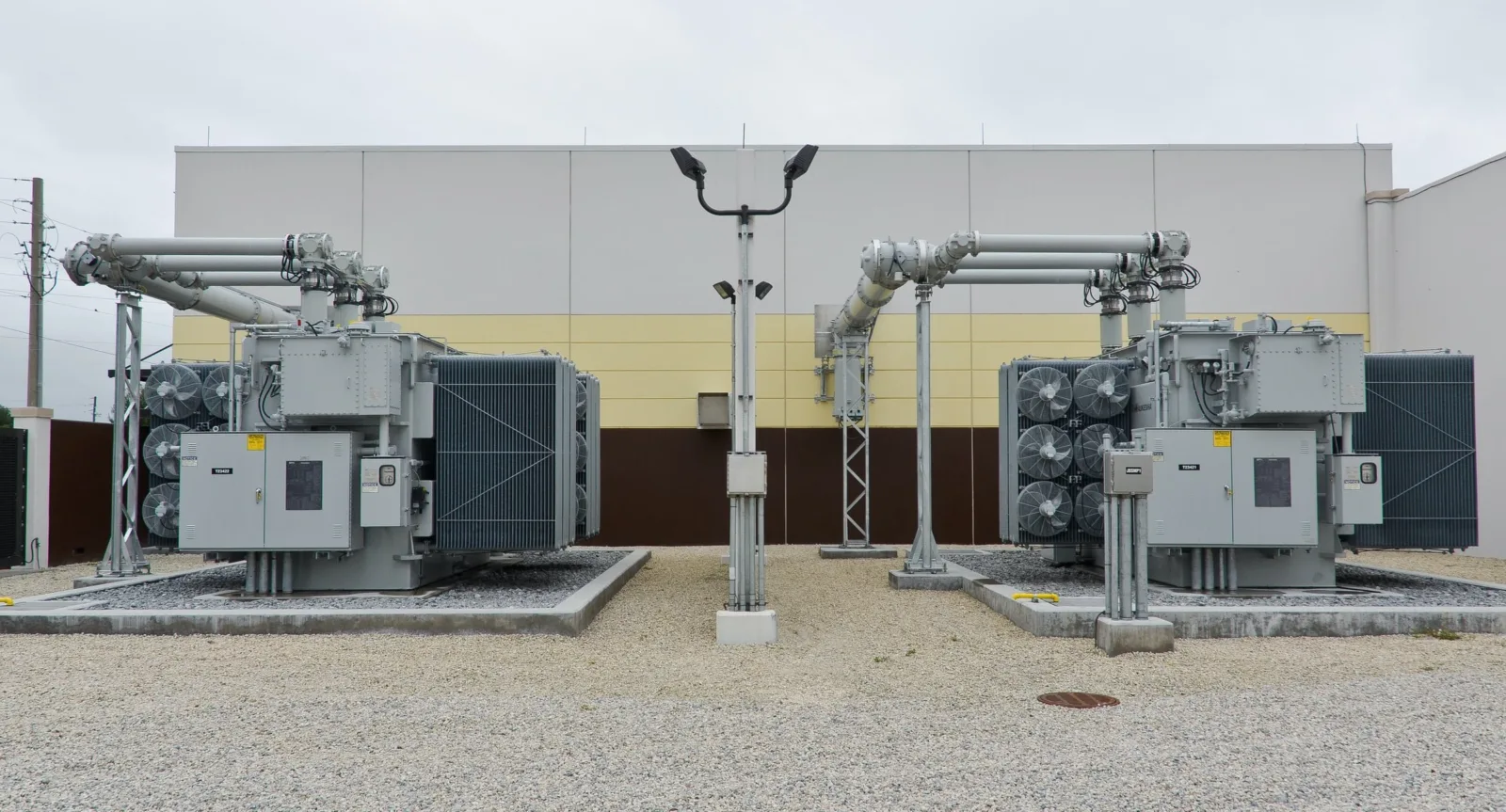
You can't stop the furnace. You need to know early enough to plan the stop in your own window
Plant, maintenance or production, steel works
The trend shows when the reading changed, and the plan says by when to act.
How the trend and the plan are read
A new sample changes the reading. TR5 fell from 75.6 to 35.2 while ethylene rose from 6 to 1,290 ppm. In October 2020 the owner removed multiple core grounding and degassed and reclaimed the oil. The next sample read 82.9.
The plan names the window. For GSU4 the first actions fall within 30 days of the 17 Jun 2026 sample, and the checks for the next outage are already on the list.
- Very Good
- Good
- Fair
- Poor
- Very Poor
GSU4 330MVAPlan from the 17 Jun 2026 sample, index 37.2 ± 6.6, Poor
Within 30 days due 17 Jul 2026
- Increase surveillance at DGA Status 3IEEE C57.104-2019 6.1.2.3
- Investigate the Status 3 readingIEEE C57.104-2019 6.1.2.3
- Confirm the thermal faultCIGRE TB 962
- Test whether the oil can be treatedIEC 60422:2024 14.4.1
Next outage
- Check the bushingsIEEE C57.19.100-2012 10.3.1
- Run the electrical testsCIGRE TB 962
Twenty values from the lab, two methods that disagree. Which one holds?
Diagnostics engineer
Every reading names its method, edition and clause, and says when a method cannot be trusted.
How the four methods are checked
Four methods, one answer. Triangle 1, Triangle 5 and both Pentagons place this sample in a hot thermal zone, above 700 °C.
It knows which method fits. Acetylene is 2 ppm, under the 5 ppm analytical limit, so the reading rests on the four methods that apply, not on the IEC 60599:2022 ratios.
CH4 23.76%C2H2 0.19%C2H4 76.05%
H2 120, CH4 250, C2H6 94, C2H4 800, C2H2 2 ppm
- Duval Triangle 1T3Thermal fault above 700 °C. IEEE C57.104-2019 Table 6
- Duval Triangle 5T3
- Duval Pentagon 1T3
- Duval Pentagon 2T3-H
- IEC 60599:2022 ratiosnot reliableC2H2 is 2 ppm, below the 5 ppm analytical limit (CIGRE TB 771 §2.2). The method stops.
DGA is only chemistry
Diagnostics engineer, the objection
Gases are the symptoms of electrical and thermal faults, and the oil carries dielectric measurements.
The gases are symptoms
Duval zones separate partial discharge, low-energy and high-energy discharge, and thermal faults below 300 °C, from 300 to 700 °C and above 700 °C.
Demo data. Real field cases, anonymized; results calculated by the RONIN engine
The oil carries dielectric measurements
Breakdown voltage and dissipation factor are among the values read from every sample.
It points to the next check
When a question needs more than the oil, the plan puts it on the list for the next outage, with its clause: bushings and electrical tests.
RONIN Expert
Electrical tests join the conversation
RONIN Expert discusses the electrical test reports you attach, next to the oil reading.
Your report is a list of numbers. Your client needs a decision
Testing laboratory
Your report, read as it is, returned as a reasoned and verifiable decision.
How doubts and missing values are handled
Doubts reach you first. A value the parser is unsure about is shown to you before any calculation. A value that is not on the sheet is listed as missing, never guessed.
17 values read, 1 doubt for you, 1 missing
- H2120ppm
- CH4250ppm
- C2H694ppm
- C2H4800ppm
- C2H22ppm
- CO365ppm
- CO23540ppm
- Water23ppm
- Acidity0.22
- Breakdown voltage42kV
- Interfacial tension22
- Tan delta0.024
- 2-FALnot ordered
- Tan delta: the sheet reports it in %. Confirm the unit before calculation.
- 2-FAL: not ordered. The plan adds a furan analysis to the next sample.
Returned: index 37.2 ± 6.6, Poor, signed by the model. DGA Status 3, IEEE C57.104-2019. Four actions within 30 days, each with its clause.
Your client hears ‘treat the oil’ from the company that sells the treatment
Service or oil company
Back your recommendation with an independent, clause-cited reading.
How the verification code works
Same document, any reader. A code on the report lets your client check it is the document issued.
Asset Health Report17 Jun 2026
GSU4 330MVA, 400 kV, mineral oil
37.2 ± 6.6Poorsigned by the model
DGA Status 3, IEEE C57.104-2019
Within 30 days, due 17 Jul 2026
- Increase surveillanceIEEE C57.104-2019 6.1.2.3
- Investigate the Status 3 readingIEEE C57.104-2019 6.1.2.3
- Confirm the thermal faultCIGRE TB 962
- Test whether the oil can be treatedIEC 60422:2024 14.4.1
Next outage
- Bushings, electrical testsat the next outage
Scan to check this is the document issued.
Can you trust an AI with a decision on critical equipment?
Everyone who signs off a decision
An expert, not an LLM wrapper
The language model is only the voice.
- writes
Voice
The language model writes the sentence. It never chooses the number.
- blocks
Verifier
Before you read a sentence, a deterministic check compares its numbers, clauses, urgency and sources with the engine. A line that does not match is blocked.
- cites
Knowledge
Distilled from the standards and CIGRE brochures in its library; every statement checked against its source page by a second reviewer. Answers cite document and clause.
- calculates
Engine
Every number is calculated by the RONIN engine. The expert may not state an index, a status or a diagnosis the engine did not calculate.
Some questions have an answer in a minute
Free tools that run in your browser, with your values kept on your device. Site Climate also fetches climate data from NASA POWER.
All free toolsWhich fault do these gases point to?
DGA calculatorWhich of my transformers do I look at first?
Fleet DGA triageWhat does the moisture in my transformer mean for loading?
Moisture and loadingIs online monitoring worth it, or is the lab enough?
Monitor or labWhat do the gases in my tap changer say?
OLTC DGA checkWhat condition is my insulating oil in?
Fluid condition
Founder-owned technology
Seetalabs® is the brand of Massimiliano Vurro, independent professional.
Reports anyone can verify
Each report carries a code that checks it is the document issued.
Data hosted in the EU
Explore the guided demo
The guided demo is opening to the public. Leave your name and work email: you get an automatic confirmation now and your access the day it opens. No sales call.
