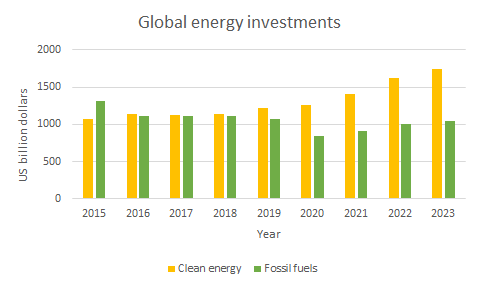

AI can support the energy transition through tasks such as forecasting, anomaly detection and maintenance planning. The engineering question is where it improves a defined decision and how that improvement can be measured. Claims about emissions, cost savings or equipment life need a baseline, an operating period and evidence from the relevant application.
A more efficient prediction model is only one part of the system. Operators also need usable data, an intervention process and enough capacity to act on the result. These conditions determine whether a promising analysis becomes an operational benefit.
An intelligent energy transition
Energy systems combine variable generation, changing demand and infrastructure with long service lives. AI and other analytical methods can help operators compare scenarios, forecast demand and inspect large volumes of measurements. The suitable method depends on the task; a general claim about AI cannot substitute for evaluating a particular use case.
The IEA’s 2017 Digitalisation and Energy report discusses the potential effects of digital technologies across sectors. Its estimate of up to 10% lower energy use in buildings during 2017–2040 was a scenario relative to its Central Scenario, with limited rebound effects. Its scope is building energy use under the specified assumptions; broader emissions outcomes require a separate assessment.
The World Economic Forum’s 2021 white paper, also available through its publication page, discusses applications and barriers to scaling AI in energy. Such work can guide the selection of projects. Each wind farm, solar plant or distribution network still needs an assessment of its operating conditions and the proposed intervention.
Deloitte’s energy, resources and industrials AI dossier is further industry context. When assessing a business case, separate illustrative applications and executive expectations from measured operating results. Market-size forecasts and survey opinions do not establish how much a particular installation will save.
AI in predictive management of energy systems
Predictive maintenance aims to identify developing problems early enough for a useful response. To assess a model, record which events it detected, the warning time, false alarms and what maintenance action followed. Compare costs and downtime over a defined period, including monitoring, software, integration and investigation costs. A general reduction in maintenance expenditure or downtime should not be assumed before that comparison.
Decision support should connect an observation to an available action: review a sample, investigate a trend or schedule an inspection. The operator needs to know who receives an alert and what information supports it. The IDC discussion of AI-powered decision intelligence offers broader context on organizing information for decisions.
Equipment-life claims need particular care. A maintenance intervention may change an asset’s condition or operating limits, but a health score does not establish a percentage extension of service life. Planning also needs to distinguish asset-level evidence from wider energy-system trends. The US Energy Information Administration provides energy statistics for that broader context.
For transformer fleets, begin with the decision that needs support: additional sampling, a specialist assessment, an operating review or maintenance prioritization. Define an evaluation period and compare the model with the existing process on representative assets. This makes both benefits and limitations visible.
Data-driven decisions with Ronin AI
Asset information is often distributed across laboratory results, online monitors and maintenance records. Bringing those records together can reduce the effort needed to review a transformer, provided units, timestamps and asset identities remain consistent. The workflow should preserve the original measurements and show how they contributed to an assessment.
AI-based services should explain their intended task, supported inputs and validation evidence. Ask how the system handles missing data, oil treatment, changes in sampling frequency and assets outside its training experience. These details are more useful than a broad promise of predictive capability.
Investment decisions require more than condition information. Criticality, available spares, outage constraints and financial assumptions also matter. Analytics can support the comparison, while the asset owner remains responsible for selecting and documenting the action.
Seetalabs’ Ronin AI supports transformer health assessment. Its discussions of asset performance, decision-making, health indexing and data integration describe related workflows. A health index should be interpreted as a model-specific condition indicator unless separate evidence establishes a calibrated forecast of future events.
Converging thoughts
The contribution of AI to the energy transition should be evaluated at the system level. Better forecasts or earlier alerts may improve operations, but net benefits depend on implementation, the response to those alerts and the resources consumed by the digital system itself.
For Seetalabs and other providers, a useful next step is a clearly scoped evaluation with the asset owner. Establish the data requirements, compare results against an agreed reference and document where the tool helps. The resulting evidence can support a deployment decision and define the conditions under which the tool should be used.